

LONG DISTANCE FLIGHTS
Aeronca Aircraft - Part Two

My last post for my wonderful paid subscribers told the story of the beginnings of the aeronautical corporation of America and the flight of its first aircraft, the Aeronca C2 in 1929. This time round we’ll see what the 1930’s brought for Aeronca.
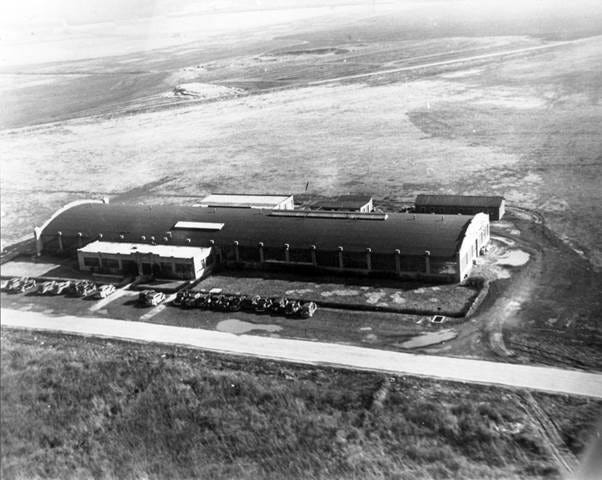
On Wednesday 9th April 1930, Stanley Huffman flew an Aeronca C2 non-stop from Lunken Airport in Cincinnati over 600 miles to Roosevelt Field, Long Island. The flight took him 10 hours and 10 minutes and he refuelled in the air from cans of gasoline he carried. Perhaps on the way in to land he would have seen the building site of the Empire State Building which was under construction at the time and would open the following May. Roosevelt Field had been the starting point for Charles Lindbergh’s 1927 transatlantic flight. The airfield has gone now but you can visit the Cradle of Aviation Museum here, just off Charles Lindbergh Boulevard.
In case you were wondering about the numbering of the C2, there had been several designs for aircraft which Conrad Dietz had created. He had proposed his C4 design, a biplane, to Aeronca but they believed the future was in monoplanes. It wasn’t until 1931 that Aeronca built the C1. This was a variation of the original design aimed at the racing and aerobatic markets. Conrad Dietz, who was by now General Manager of Aeronca, was displaying the C1 at Crossley Airport, Sharonville, Ohio on 12th September 1931 when he was killed in a crash.
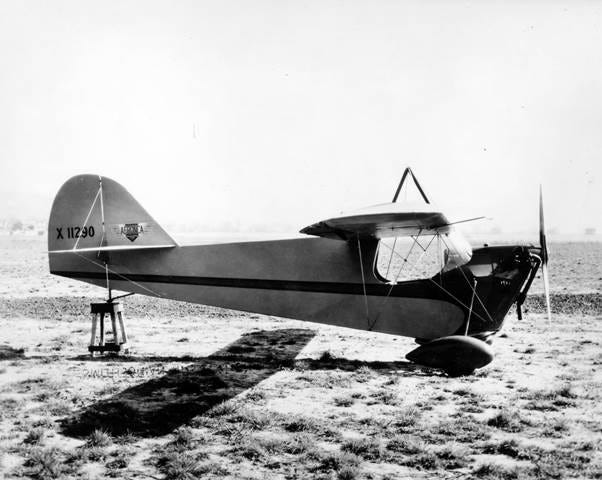
1931 was also the year in which Aeronca production switched from the, legally at least, single-seat C2 to the two-seat Aeronca C3 Collegian which received its type certificate in the United States on 31st January 1931. It sported a 36-inch-wide fully cabin with side-by-side seats. Powered by a 36-horsepower engine, it sold for $1730.
Of course, this was the time of the Great Depression, prohibition, speakeasys and gangsters but, still, Aeronca managed to sell fifty C3s in 1931 and a further sixty-one in 1932 at around $1730 a shot. In the May of that year, America’s best known gangster, Al Capone, was sent to the Atlanta Penitentiary having been jailed on charges of evading income tax of around $215,000 over the previous five years. It would be another two years before he was transferred to the newly opened Alcatraz island. One of the lesser known facts about Al Capone and Alcatraz concerns the prison band. It was called The Rock Islanders and Al played the banjo.
